

2026 Ford Bronco G.O.A.T. Modes: Full Terrain Management System Guide
The 2026 Ford Bronco's Terrain Management System includes up to 7 G.O.A.T. Modes, tuning throttle, traction, and stability for any surface. That is an increase over the 5-mode setup found on base trims, with performance trims unlocking the full seven. Browse current Bronco inventory at Koons Ford to find the trim that fits your terrain.
What G.O.A.T. Modes Are and Why They Matter
G.O.A.T. stands for Goes Over Any Type of Terrain. Ford's Terrain Management System (TMS) uses that acronym as more than a marketing label. It describes a genuine on-board tuning system that adjusts how the Bronco's throttle response, stability control thresholds, traction control intervention, and 4WD engagement behave based on the surface you select.
The result is a vehicle that does not rely solely on driver skill to manage loose gravel, deep mud, wet rock, or highway on-ramps. The system makes real-time calibration changes so the Bronco's power delivery matches the grip level of the ground beneath the wheels. For drivers who use their Bronco both on Maryland back roads and on dedicated trails, that adaptability is a measurable daily advantage.
2026 Ford Bronco trim comparison
How the Terrain Management System Works
The TMS rotary dial or button interface, depending on trim, lets the driver select a terrain mode before or during a route. Once selected, the system recalibrates several interconnected parameters at once:
Throttle Mapping
Throttle mapping changes how aggressively the engine responds to pedal input. Sand mode, for example, builds momentum without sharp acceleration spikes that would dig the tires in. Rock Crawl mode delivers a measured, low-speed surge.
Stability and Traction Control
Stability and traction control thresholds shift so the system allows a controlled amount of wheel spin when spin actually helps, such as in deep mud or sand, and tightens intervention when precision matters most on slick rock.
4WD Engagement
4WD engagement works alongside the mode selection. The standard part-time selectable 4WD system pairs with G.O.A.T. Modes on Base, Big Bend, and Outer Banks trims.
Advanced 4x4
Badlands, Stroppe, and Raptor trims step up to Advanced 4x4 with Automatic On-Demand Engagement, which pairs more seamlessly with the expanded 7-mode setup.
The system does not replace driver input. It tightens the margin for error so that driver corrections work with the terrain rather than against it.
2026 Bronco capability and 4WD specs
G.O.A.T. Modes Across the 2026 Bronco Trim Lineup
Not every Bronco trim receives the same number of modes. The spec sheet for 2026 is clear on this split.
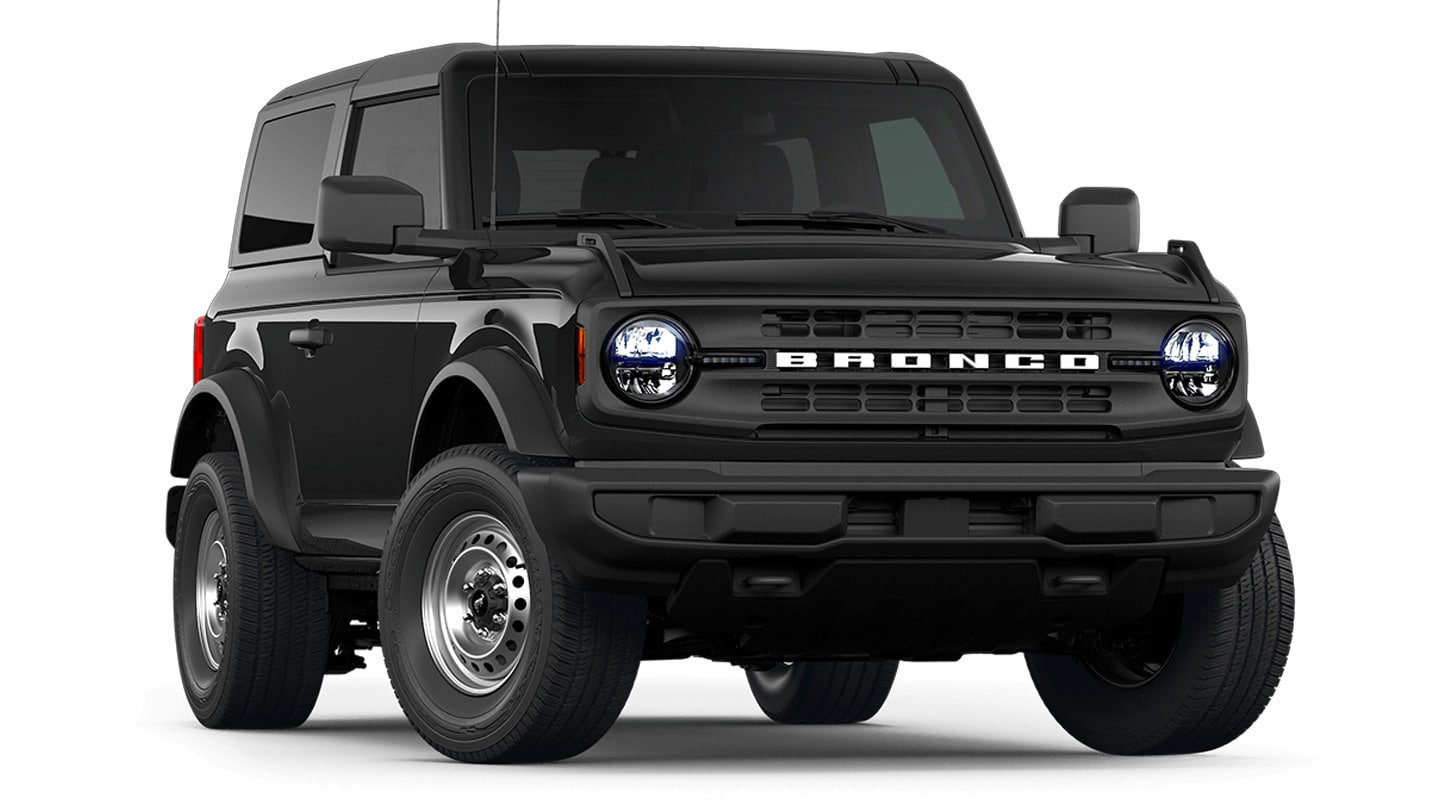
Bronco Base
The Base includes the standard 5-mode Terrain Management System. These modes cover core terrain types for daily commuting and moderate trail use.

Bronco Big Bend
Big Bend uses the 5-mode Terrain Management System. It is a practical setup for Annapolis-area drivers mixing highway use with gravel roads, sand, and moderate dirt trails.

Bronco Outer Banks
Outer Banks also includes 5 G.O.A.T. Modes, combining the standard Terrain Management System with a more comfort-oriented Bronco configuration.
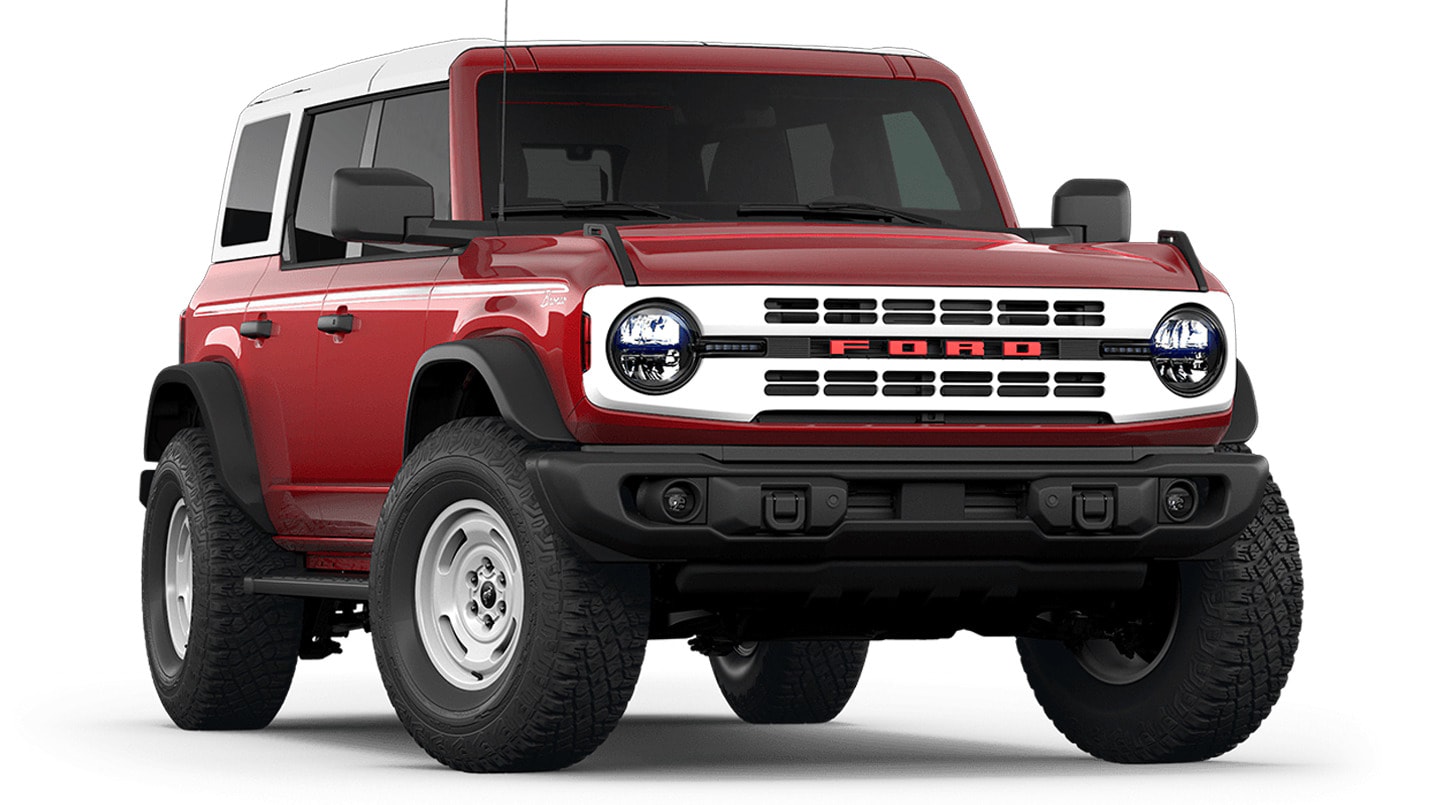
Bronco Heritage Edition
Heritage Edition retains the 5-mode Terrain Management System while pairing it with retro-inspired styling and available Sasquatch Package capability.

Bronco Badlands
Badlands steps up to the expanded 7-mode Terrain Management System. The added modes are calibrated for more demanding technical terrain and pair with the HOSS 2.0 suspension featuring Bilstein Position Sensitive Dampers.
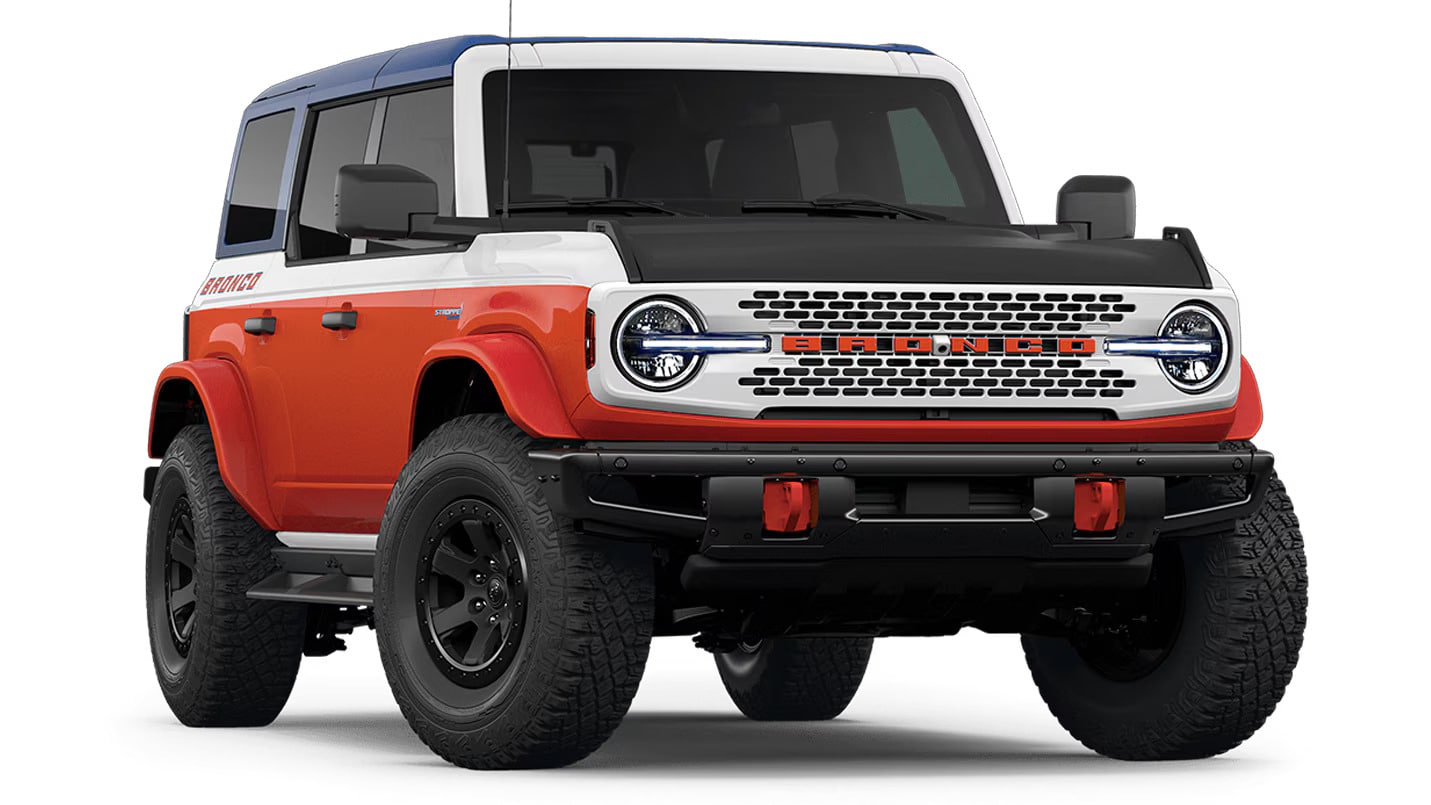
Bronco Stroppe Edition
Stroppe Edition includes all 7 G.O.A.T. Modes and steps up to HOSS 3.0 with FOX Internal Bypass Dampers, giving the system additional suspension capability for demanding terrain.
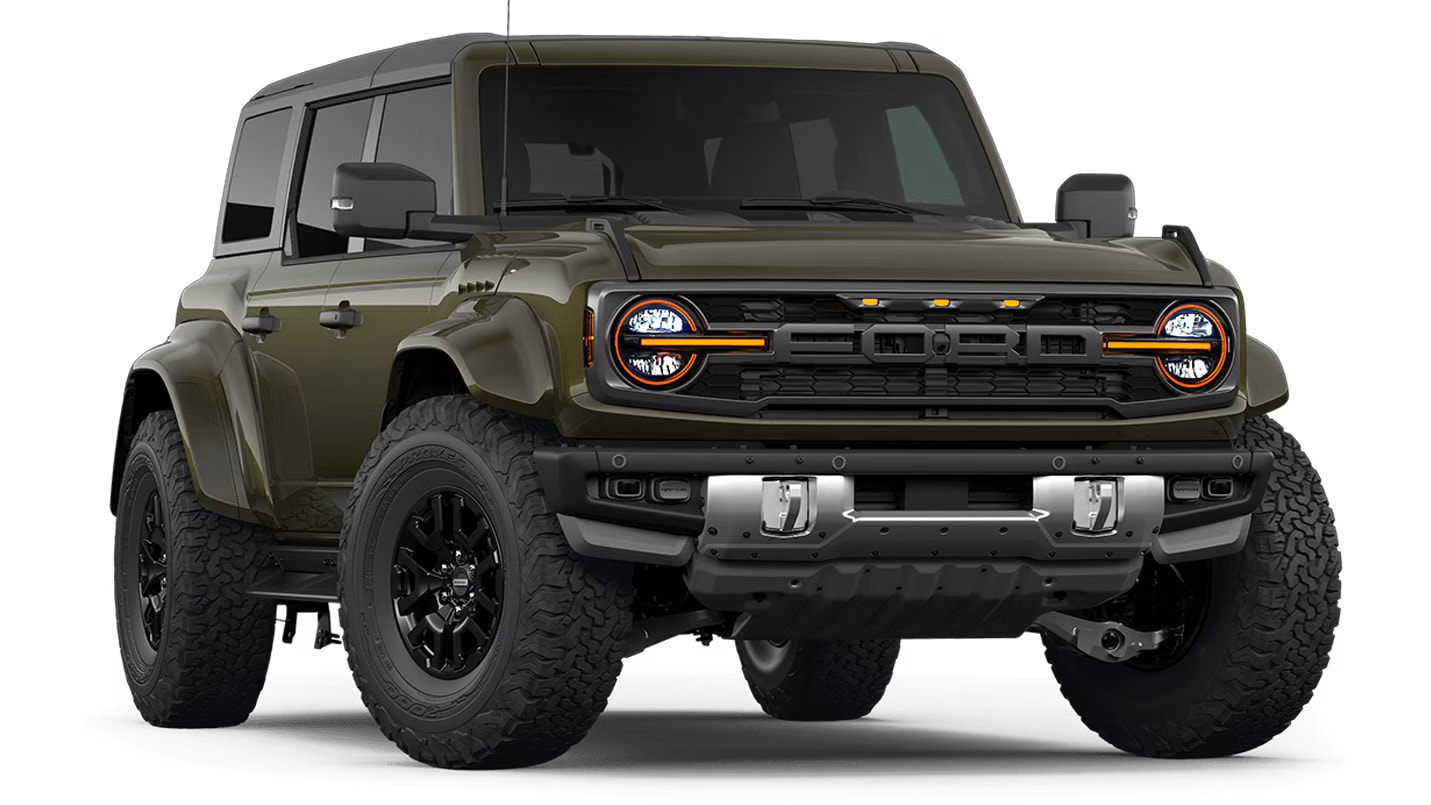
Bronco Raptor
Raptor includes the full 7-mode Terrain Management System and HOSS 4.0 with FOX Live Valve 3.1 Internal Bypass Semi-Active Dampers for the highest-performance combination in the Bronco lineup.
The five-mode configuration on Base, Big Bend, Outer Banks, and Heritage Edition covers the core terrain types most owners encounter, from daily commuting to moderate trail use. Customers in Annapolis who mix highway driving with weekend trips to Appalachian gravel roads or Chesapeake-area sand will find this setup capable without needing to step up in trim.
The Badlands, Stroppe Edition, and Raptor receive the expanded 7-mode Terrain Management System. The Badlands adds two additional modes calibrated for more demanding technical terrain, which pairs logically with that trim's HOSS 2.0 suspension featuring Bilstein Position Sensitive Dampers. The Stroppe Edition and Raptor carry the same 7-mode system and push further with FOX dampers, HOSS 3.0 and HOSS 4.0 respectively, giving the TMS more suspension travel to work with when the modes shift their parameters.
Bronco Badlands vs Raptor comparison
Real-World Benefit: What Changing a Mode Actually Changes for You
A driver who purchases a Bronco and never leaves pavement still benefits from the Normal mode's tuned throttle map and highway stability settings. The value of G.O.A.T. Modes multiplies the moment conditions change.
On a wet Maryland highway on-ramp, switching to Slippery mode reduces the chance of oversteer during acceleration by softening throttle response and tightening stability thresholds.
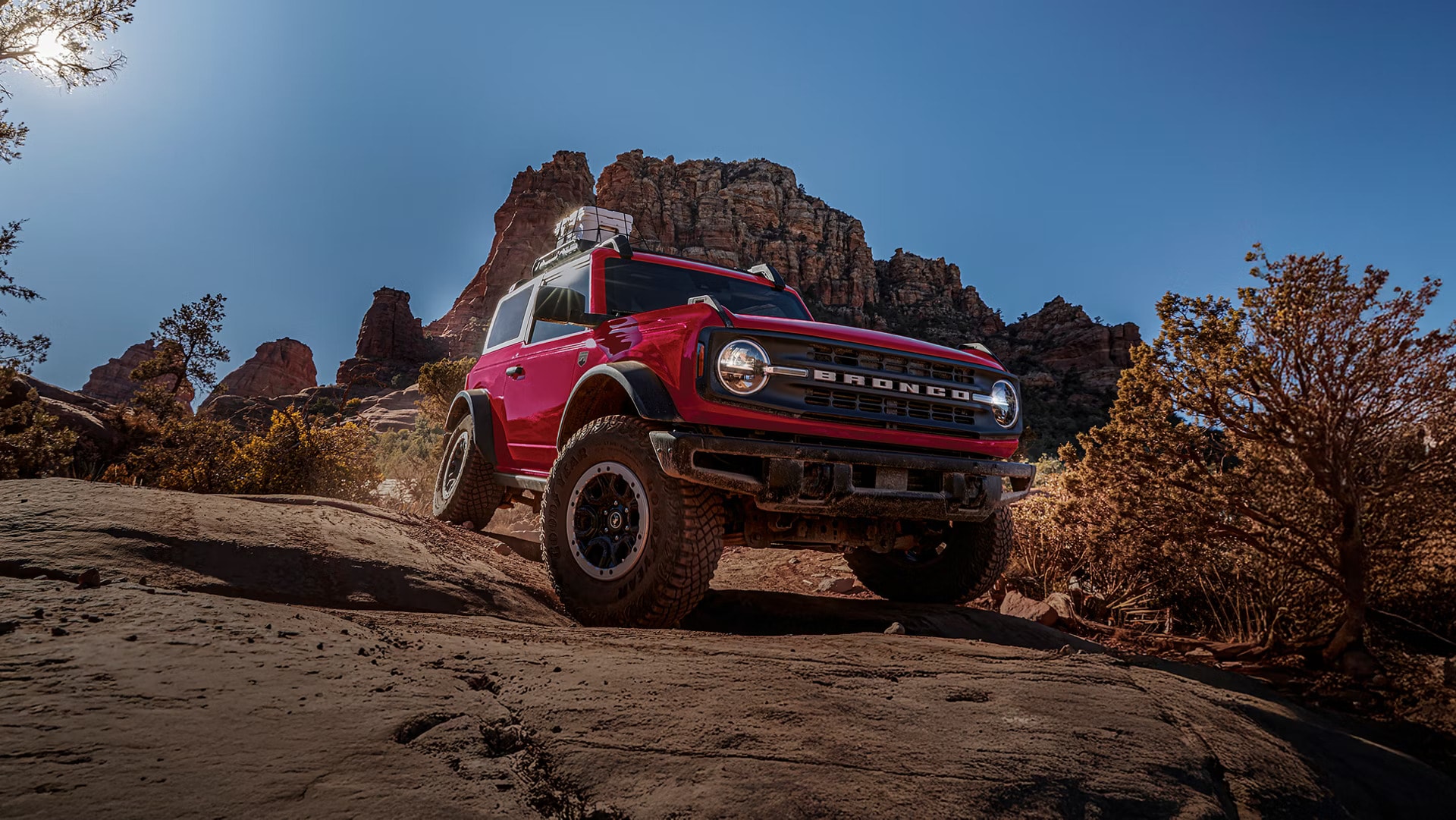
On a rocky fire road in western Maryland or along the ridgelines above the Potomac, Rock Crawl mode holds the Bronco at a near-idle crawl speed with consistent torque, allowing the driver to pick a line without managing the gas pedal simultaneously.
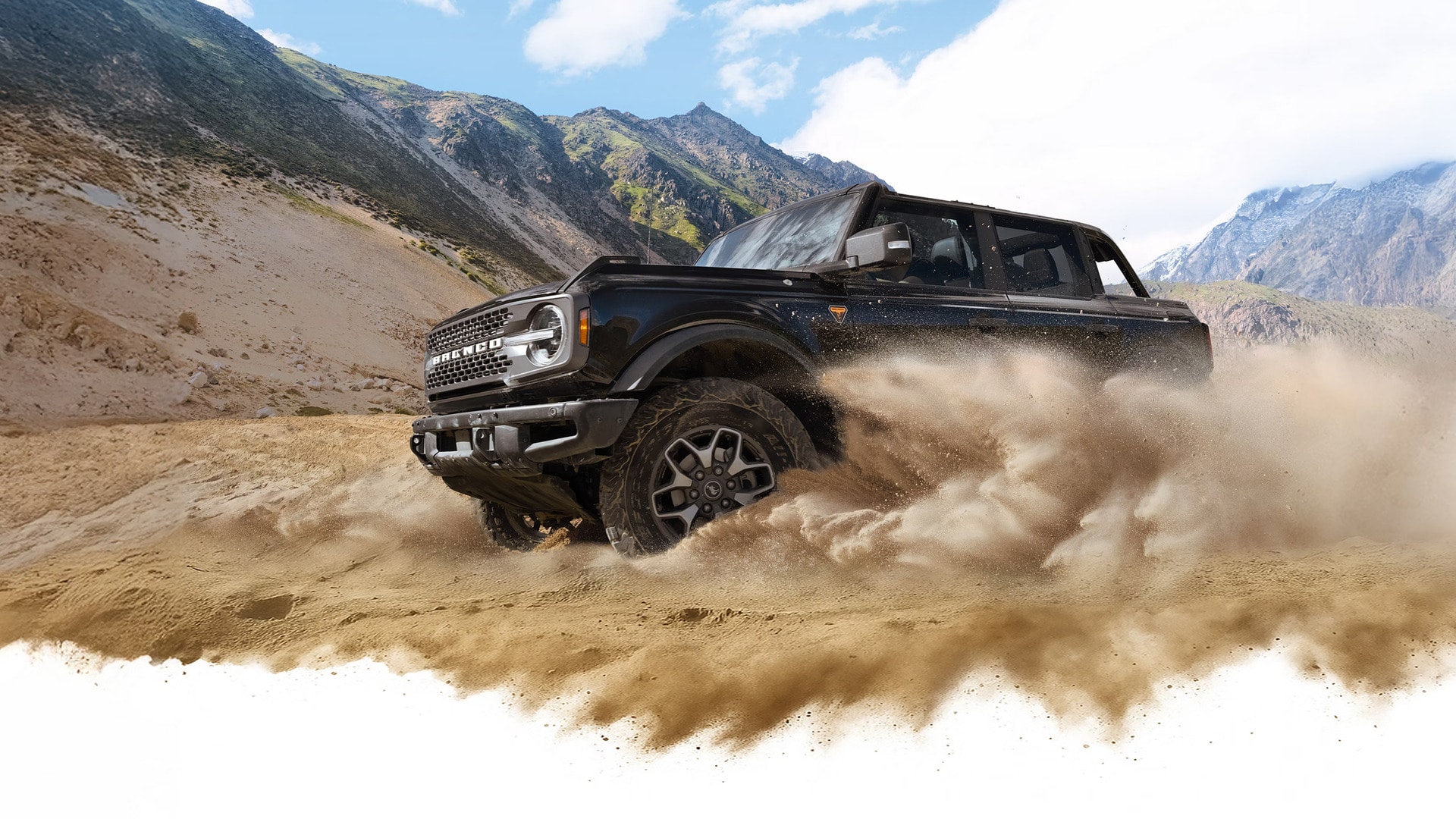
On deep sand, including beach, barrier-island, or coastal routes, Sand mode loosens traction control to let tires spin and clear debris while maintaining forward momentum.
The TMS also supports Hill Descent Control on manual-transmission trims, allowing the driver to focus on steering rather than brake pressure on steep descents. Badlands and manual-shift Base trims include Hill Descent Control as standard.
For owners who add the Sasquatch Package, available on Base through Heritage Edition, the larger 35-inch tires and front stabilizer bar disconnect give the G.O.A.T. Modes even more physical latitude to work through. The Badlands trim makes the front stabilizer bar disconnect standard when the Sasquatch Package is selected.
How the Bronco's G.O.A.T. System Compares to Rivals
Several off-road SUVs offer terrain management of some kind, but the Bronco's approach has a few structural differences worth knowing.
Most terrain management systems from competing manufacturers focus on throttle and traction control adjustments only. The Bronco's TMS integrates those same elements but also coordinates with the Bronco-specific 4WD engagement logic and, on upper trims, the HOSS damper system. That means the mode selection has a broader mechanical reach.
The Raptor's HOSS 4.0 system, using FOX Live Valve 3.1 Internal Bypass Semi-Active Dampers, is a direct response to high-speed desert running that most competitor terrain systems do not address at the same price point. The Baja mode available on the Raptor is calibrated for high-speed loose-surface driving, which is outside the envelope of most mainstream off-road SUV terrain systems.
The 7-mode count also exceeds the terrain mode count offered by most competitors in this segment, though mode count alone is less important than how each mode is calibrated. Ford has refined the G.O.A.T. system through multiple Bronco model years, and the 2026 setup reflects that accumulated calibration work.
EPA fuel economy ratings for 2026 Ford Bronco
Find the Right G.O.A.T. Mode Trim at Koons Ford in Annapolis
Choosing between 5 modes and 7 modes depends on how technical your trail use actually is. If your routes include pavement, gravel, and moderate dirt tracks, the 5-mode system on a Big Bend or Outer Banks handles that range without the extra trim cost. If you run serious rock, deep mud, or high-speed desert surfaces, the Badlands' 7-mode TMS paired with Bilstein dampers is the minimum to consider, with the Stroppe Edition and Raptor stepping up from there.
The Koons Ford team in Annapolis can match you to a trim based on where you plan to drive, not just what looks right on a spec sheet. Current inventory includes multiple Bronco trims, and the team can walk through how each suspension and TMS combination changes the driving experience before you commit.
Frequently Asked Questions
What does G.O.A.T. stand for on the 2026 Ford Bronco?
G.O.A.T. stands for Goes Over Any Type of Terrain. It is Ford's name for the Terrain Management System dial or interface that lets drivers select a surface-specific driving mode.
How many G.O.A.T. Modes does the 2026 Bronco have?
The 2026 Bronco offers either 5 or 7 G.O.A.T. Modes depending on trim. Base, Big Bend, Outer Banks, and Heritage Edition trims include 5 modes. Badlands, Stroppe Edition, and Raptor trims include 7 modes.
Which Bronco trim has the most G.O.A.T. Modes?
The Badlands, Stroppe Edition, and Raptor all include 7 G.O.A.T. Modes. The Raptor pairs that 7-mode system with the HOSS 4.0 FOX Live Valve semi-active damper setup for the highest-performance combination.
Do G.O.A.T. Modes work with both the manual and automatic transmission?
Yes. Most G.O.A.T. Modes function with both the 7-speed manual and the 10-speed automatic. Some features that work alongside the TMS, such as Trail Control and Trail Turn Assist, require the 10-speed automatic transmission.
Is the Sasquatch Package required to use G.O.A.T. Modes?
No. G.O.A.T. Modes are part of the Terrain Management System and operate independently of the Sasquatch Package. The Sasquatch Package adds larger tires and the front stabilizer bar disconnect, which give the TMS more mechanical room to work, but are not required to activate any mode.
Can I use G.O.A.T. Modes on pavement?
Yes. The Normal mode is calibrated for on-road driving, and the Slippery mode is designed for wet or low-traction pavement. Drivers who use their Bronco daily in Annapolis will use G.O.A.T. Modes every time they drive, even without leaving asphalt.
What is the difference between the HOSS 1.0, 2.0, 3.0, and 4.0 systems in relation to G.O.A.T. Modes?
The HOSS (High-Performance Off-Road Stability Suspension) system is the physical suspension hardware that the G.O.A.T. Modes work through. HOSS 1.0 is standard on Base, Big Bend, Outer Banks, and Heritage Edition. HOSS 2.0 with Bilstein Position Sensitive Dampers is standard on Badlands. HOSS 3.0 with FOX Internal Bypass Dampers is available on Badlands and standard on Stroppe Edition. HOSS 4.0 with FOX Live Valve semi-active dampers is exclusive to the Raptor. A more capable HOSS system gives the G.O.A.T. Modes more physical suspension travel and damping control to deploy.