

2027 Ford Explorer Safety Features and Driver Assistance
Every 2027 Ford Explorer includes Ford Co-Pilot360 driver assistance as standard equipment across all trims. That means forward collision warning with automatic braking, blind-spot warning, and adaptive cruise come on the base Active. This page covers every safety system by trim so you can match the right Explorer to your needs at Koons Ford.
Safety Feature Overview
The 2027 Ford Explorer carries a full Ford Co-Pilot360 suite from the base Active trim through the ST and Platinum. No safety content is locked behind premium trim levels as an optional add-on when it sits in the Co-Pilot360 core package. That decision matters because families shopping a three-row SUV often stretch budgets already, and knowing collision protection arrives without an upgrade is a genuine purchase signal.
The headline features buyers research most are:
Forward Collision Warning with Automatic Emergency Braking
Detects vehicles and pedestrians ahead and applies the brakes if the driver does not respond.
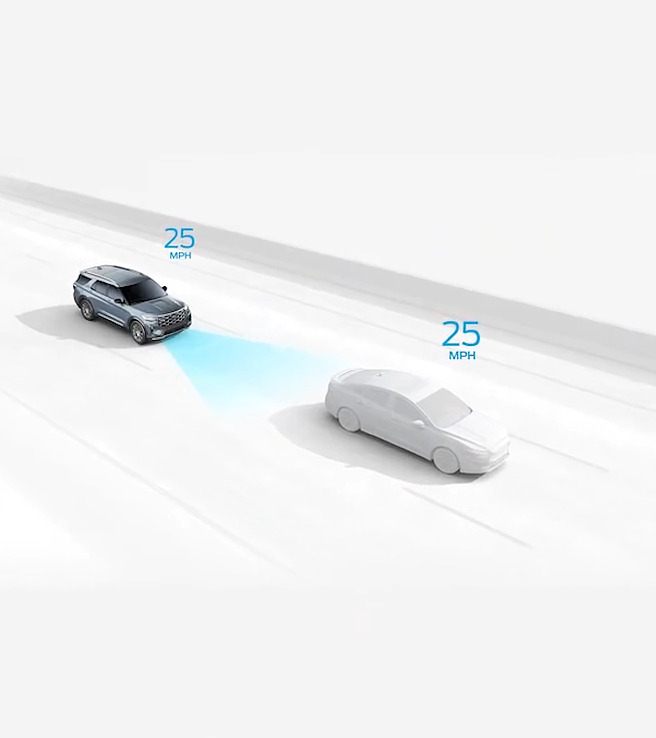
Adaptive Cruise Control
Maintains a set following distance and adjusts speed automatically in traffic.
Lane Centering System
Steers the Explorer within the lane at highway speeds.
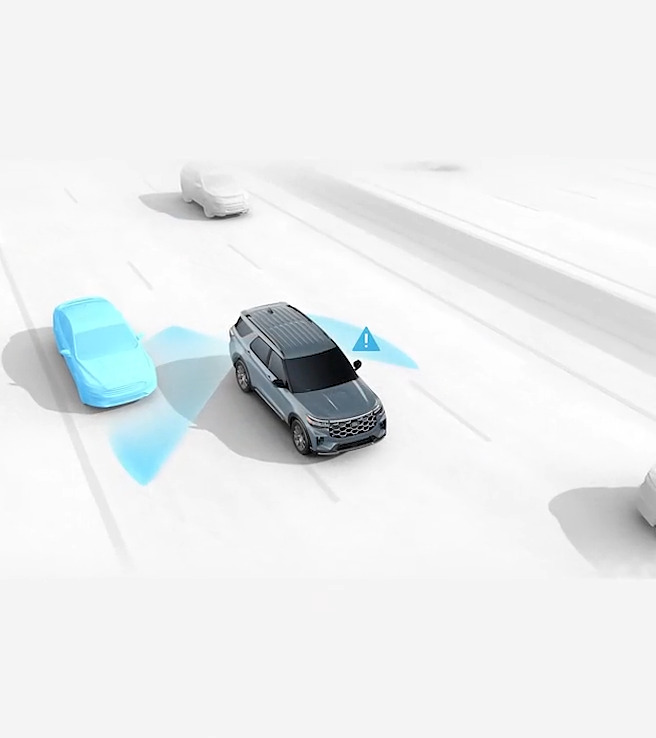
Blind-Spot Warning
Monitors the adjacent lanes and alerts the driver to vehicles in the mirror blind zone.
Rear Cross-Traffic Warning with Automatic Braking
Watches behind the Explorer when reversing and brakes if cross-traffic is detected.
Intersection Collision Mitigation
Detects oncoming or cross traffic at intersections and responds before a collision.
360-Degree Surround-View Camera System
Standard on ST-Line and above, it renders a bird's-eye view for parking and low-speed maneuvering.
Beyond Co-Pilot360, the Explorer adds BlueCruise hands-free highway driving assist on the ST-Line and Tremor trims, and the Tremor rides on 8.7 inches of minimum ground clearance compared to 7.6 inches on the Active, giving additional margin on uneven terrain.
Full 2027 Explorer trim breakdown
How the Safety Systems Work
Ford Co-Pilot360 at the base level uses forward-facing cameras and radar sensors working together. The forward collision system monitors the road ahead and issues an audible and visual alert when a potential collision is detected. If the driver does not brake, the system applies automatic emergency braking. The lane centering system is distinct from a simple lane-keep-assist: rather than nudging the car back after it drifts, centering actively steers the Explorer toward the middle of the lane continuously.
Blind-spot warning relies on rear-mounted radar sensors that scan both adjacent lanes. The alert appears in the corresponding side mirror. When a turn signal is activated while a vehicle occupies that blind zone, the alert escalates to an audible tone.
Rear cross-traffic warning with automatic braking adds a braking response to what was once a warning-only feature on previous Explorers. When the Explorer is reversing and a vehicle crosses behind it, the system can apply the brakes automatically without driver input.
BlueCruise is the feature that gets the most attention. Available on ST-Line and Tremor, BlueCruise lets the driver remove their hands from the steering wheel on pre-mapped divided highways. The system uses a driver-facing camera to monitor eye position and attention. If the driver looks away from the road for too long, BlueCruise issues escalating alerts before disengaging. Learn more about the BlueCruise hands-free highway driving system.
Intersection collision mitigation addresses one of the most statistically common crash scenarios: left-turn and cross-traffic collisions at intersections. The system can detect an oncoming vehicle the driver may not have seen and pre-charge the brakes or apply them automatically.
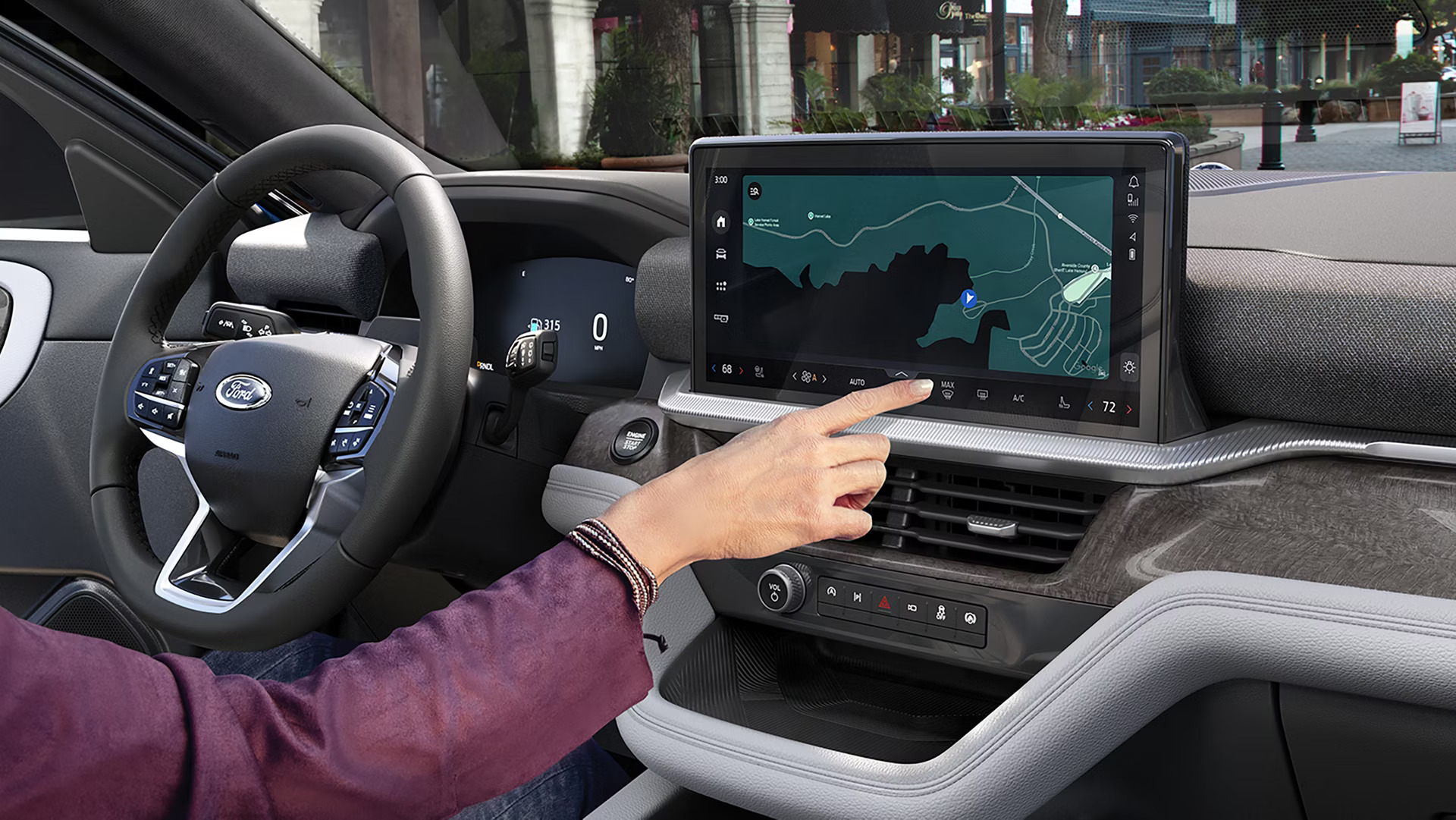
The 360-degree surround-view camera stitches together feeds from multiple cameras around the vehicle to produce a top-down view displayed on the 13.2-inch center touchscreen. At low speeds in parking lots or tight spaces, this view lets the driver see obstacles that mirrors alone would miss.
Safety Features Across the Trims
Understanding which safety systems appear at each trim level helps you decide how far up the lineup to shop.
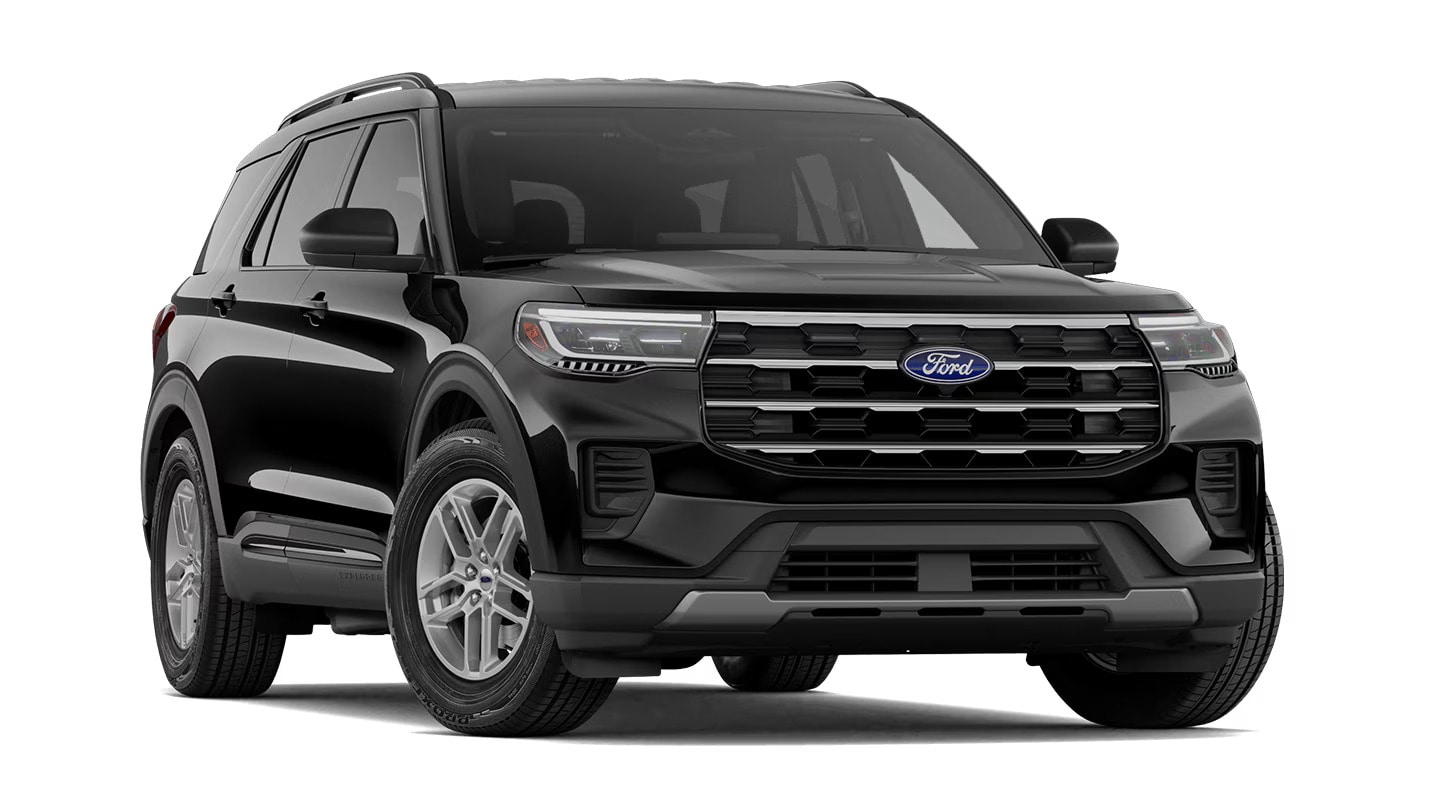
Active
Receives the full Ford Co-Pilot360 core suite: forward collision warning with automatic emergency braking, adaptive cruise control, lane centering, blind-spot warning, rear cross-traffic warning with automatic braking, intersection collision mitigation, child door locks, and LATCH child seat anchors. The 360-degree surround-view camera is not standard on the Active.
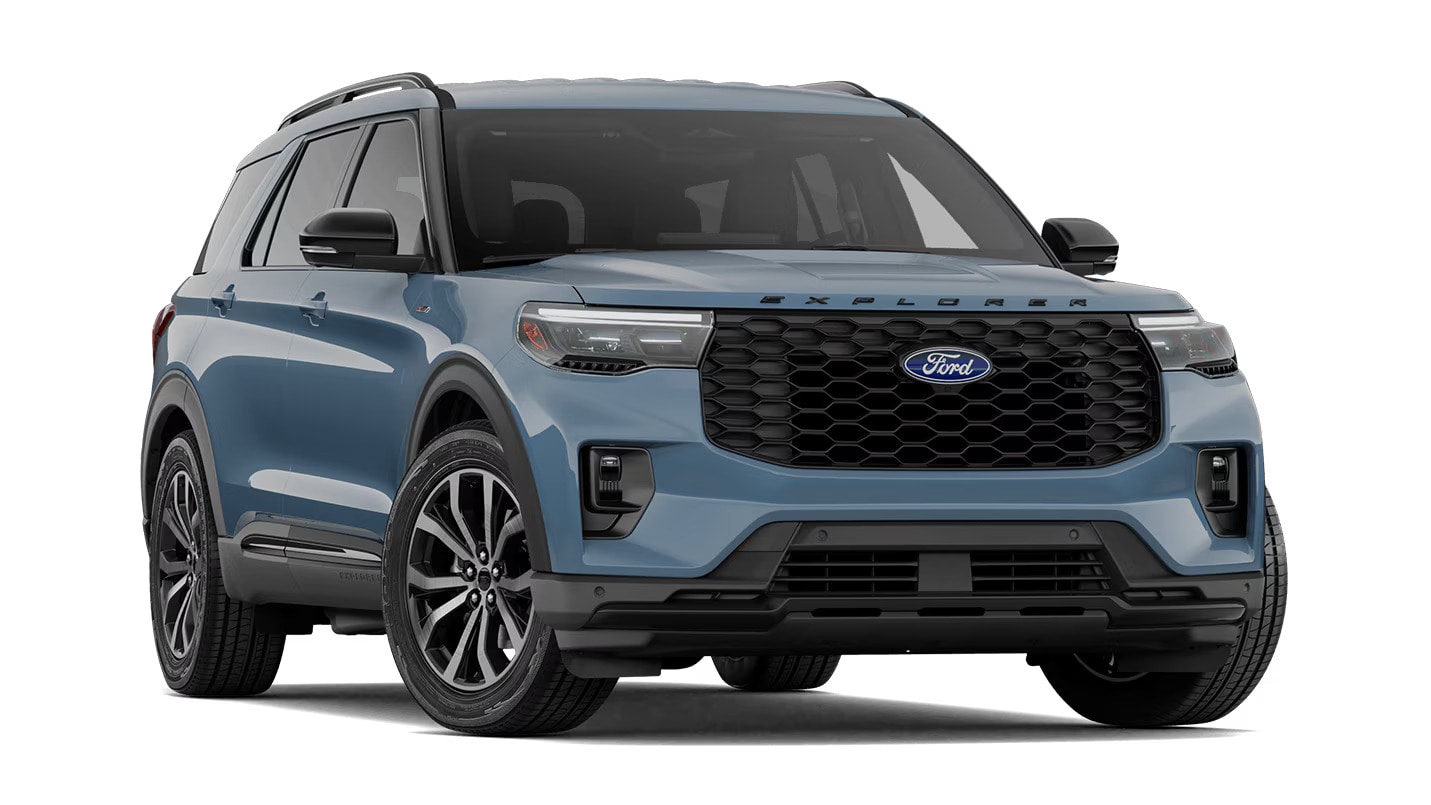
ST-Line
Adds the 360-degree surround-view camera as standard. Also gains BlueCruise hands-free highway driving assist. The ST-Line is the entry point for both of those features.
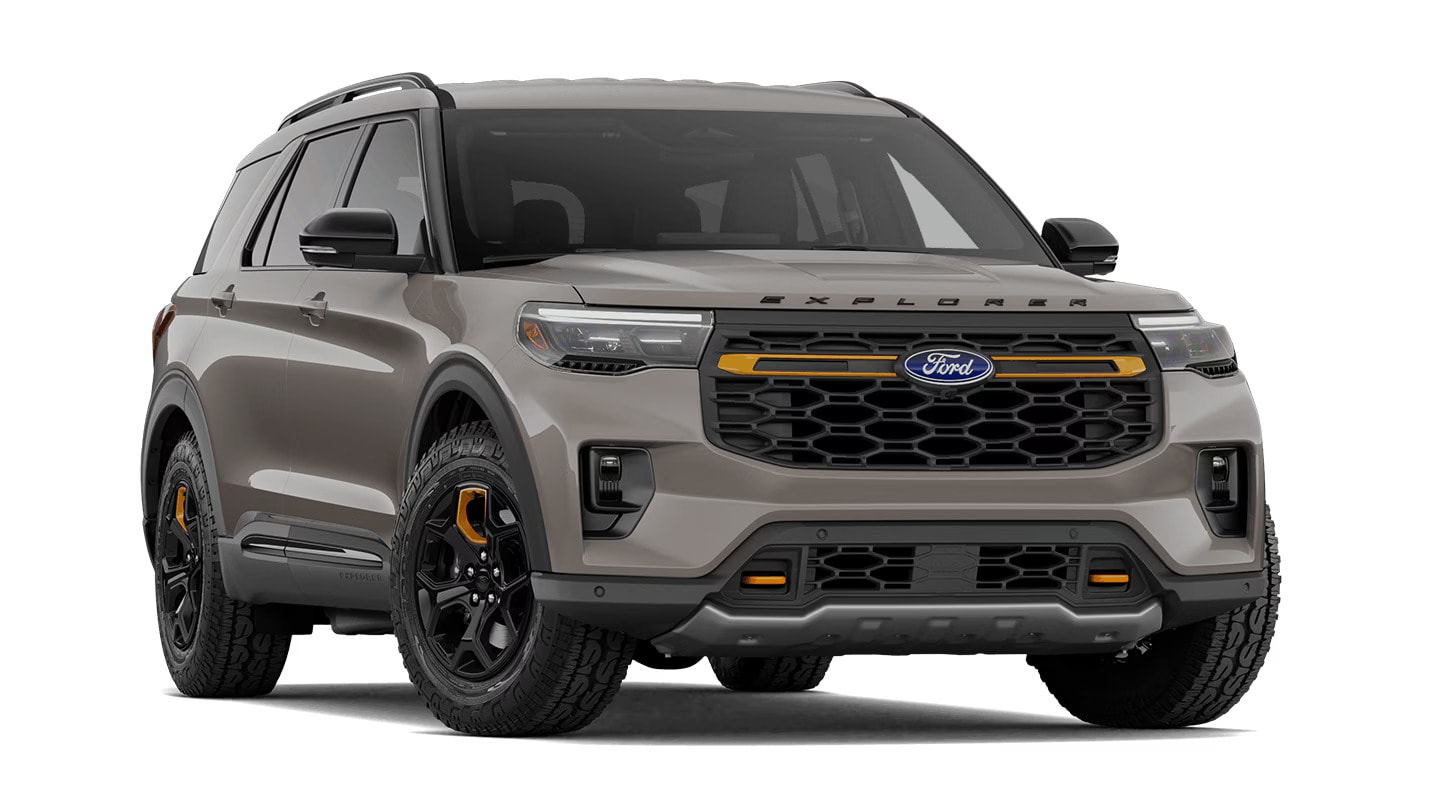
Tremor
Carries the 360-degree surround-view camera and BlueCruise. The Tremor also brings standard AWD and raises minimum ground clearance to 8.7 inches, which reduces the risk of high-centering on rough terrain. The Open On Approach liftgate is available on this trim as well.
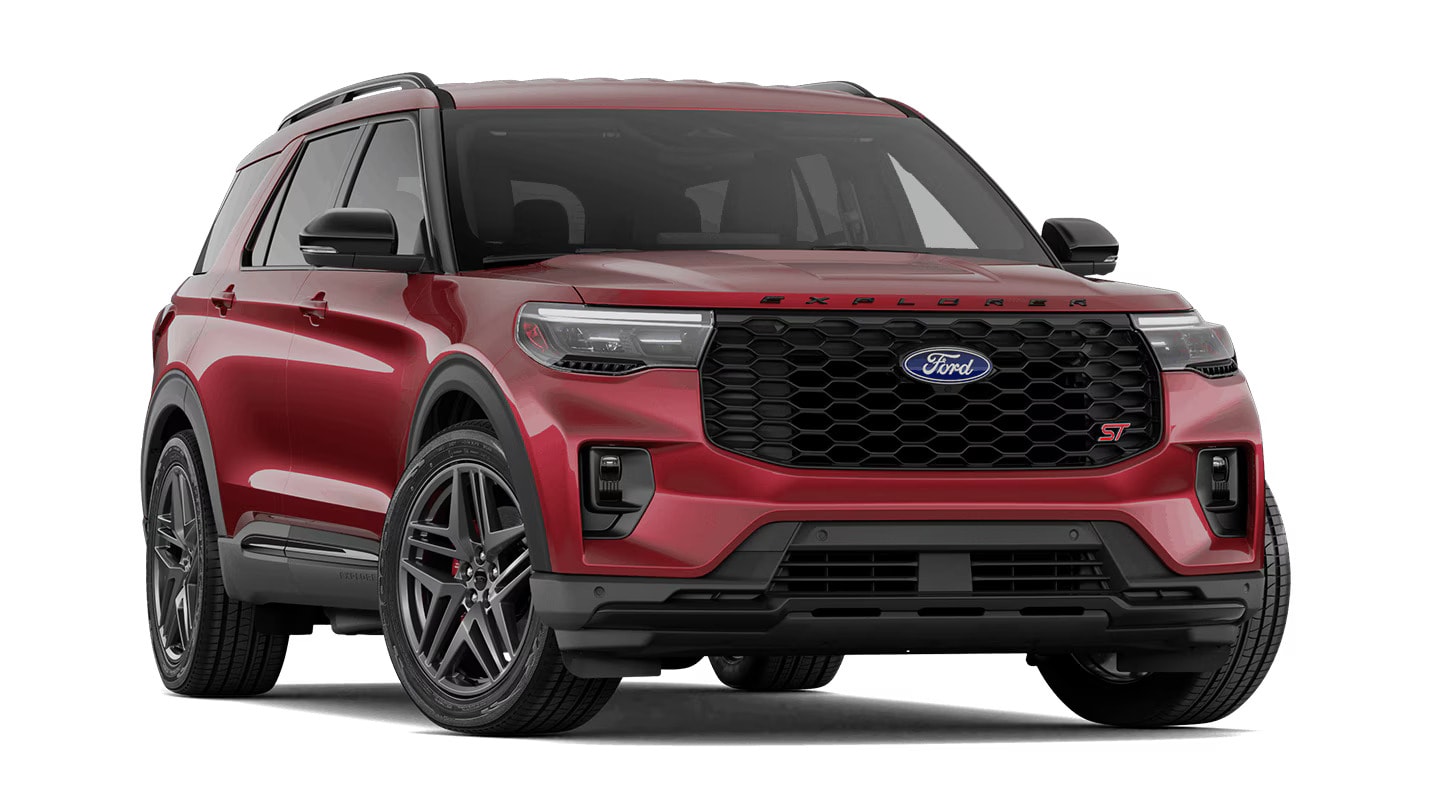
ST
The 3.0L EcoBoost V6 is standard on the ST, and the 360-degree surround-view camera is standard. The ST receives the Open On Approach liftgate as standard equipment.
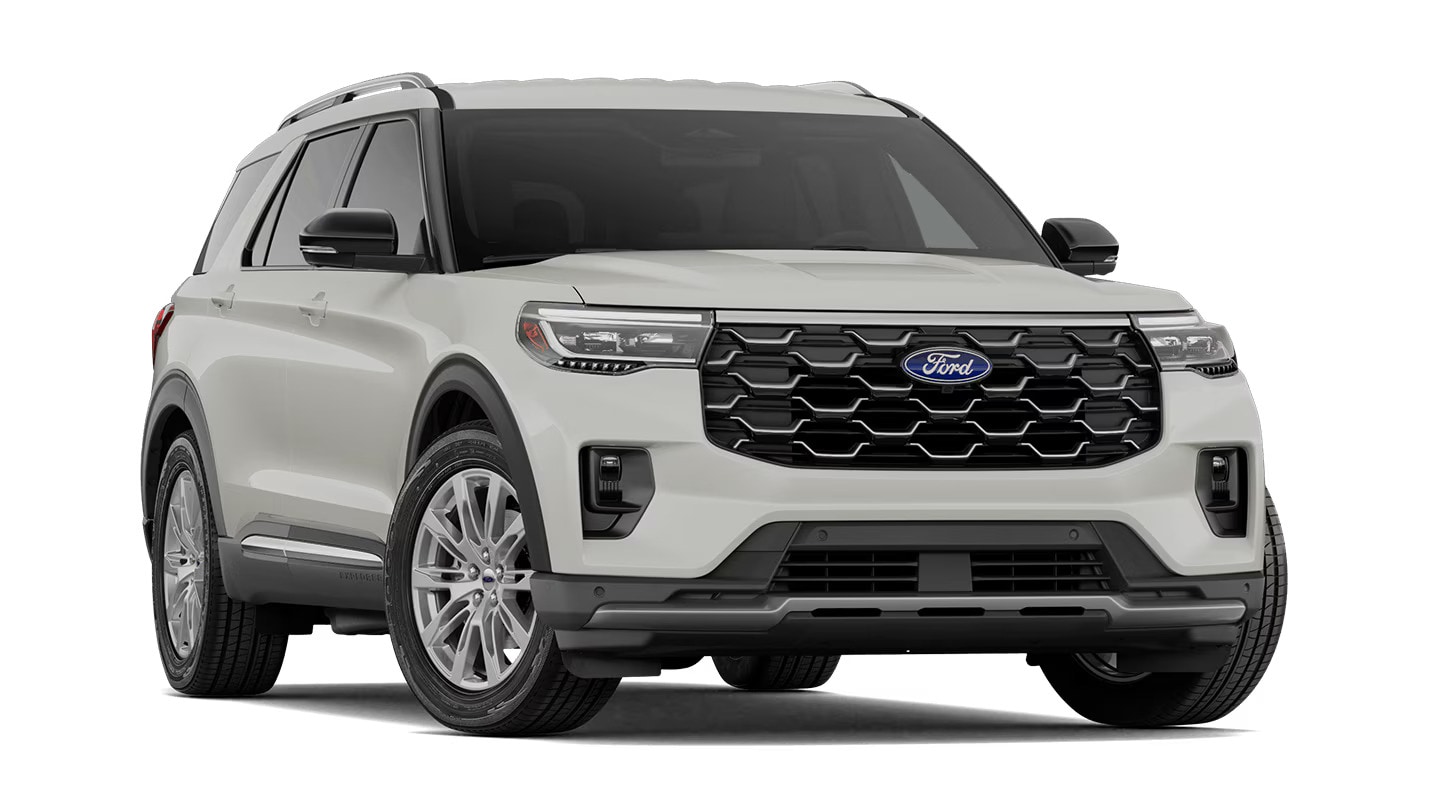
Platinum
Carries the 360-degree camera standard and the Open On Approach liftgate standard. Ground clearance on the Platinum reaches 8.3 inches. BlueCruise is available on this trim.
Every Explorer also includes a basic 3-year/36,000-mile bumper-to-bumper warranty and a 5-year/60,000-mile powertrain warranty, so the safety hardware is backed by coverage from day one.
Real-World Benefit
The practical value of these systems shows up in daily driving scenarios rather than in spec sheets.
Adaptive cruise control with lane centering turns highway commuting and long interstate runs into a less fatiguing experience. The system handles acceleration, braking, and lane positioning simultaneously. For drivers in the Annapolis area who use I-97 or US-50 regularly, that combination reduces the micro-decisions that accumulate on longer drives.
BlueCruise goes a step further on ST-Line and Tremor. On pre-mapped highways, you can genuinely remove your hands from the wheel. The driver-attention camera keeps the system accountable, so BlueCruise only operates when your eyes are on the road. For anyone covering regular highway miles between Annapolis and the broader DC corridor, that is a substantive quality-of-life benefit.
The rear cross-traffic braking system addresses a gap that most parents of young children recognize immediately. When backing out of a driveway or parking space, the rear camera view is helpful but not always fast enough. Automatic braking closes that gap when a child or cyclist crosses behind the vehicle.
The 360-degree camera on ST-Line and above makes parking in tight urban and suburban lots far simpler. The top-down view eliminates the parallax error that drivers experience when relying on individual mirrors and a standard backup camera alone.
Intersection collision mitigation is quieter in operation than the other systems but addresses a statistically significant crash type. It monitors cross-traffic and oncoming vehicles during turning maneuvers, pre-charging the brakes when a threat is identified.
How the 2027 Explorer Compares on Safety
The Explorer's decision to make Ford Co-Pilot360 standard across every trim is its clearest differentiator in the three-row midsize SUV class. Several competitors reserve adaptive cruise or lane centering for mid-level trims. The Explorer delivers both on the base Active.
BlueCruise's hands-free capability on the ST-Line is also a trim-level advantage. Some competitors offer hands-free driving assist only on top-tier or performance trims, pushing the feature well above the ST-Line price point.
The 360-degree surround-view camera arriving at ST-Line rather than only at the top of the lineup means more buyers can access that parking aid without jumping to the ST or Platinum.
One area where some three-row competitors do offer features the Explorer does not list in verified specs is a rear-seat occupant reminder system. The Explorer's child door locks and LATCH anchors address child safety at the hardware level, but buyers with young children should confirm specific rear-occupant alert features directly with the Koons Ford team.
Find the Right Safety Configuration at Koons Ford in Annapolis
The 2027 Ford Explorer makes Co-Pilot360 safety unavoidable at any trim, and the ST-Line is where BlueCruise and the 360-degree camera both enter the picture. Buyers looking for the full safety stack without stepping to the ST or Platinum price point can find the ST-Line is the practical choice. Koons Ford in Annapolis carries Explorer inventory so you can compare trims in person and see how each safety feature behaves before deciding.
Frequently Asked Questions
Does the 2027 Ford Explorer have standard automatic emergency braking?
Yes. Forward collision warning with automatic emergency braking is standard on every 2027 Explorer trim as part of Ford Co-Pilot360.
What trims get BlueCruise hands-free highway driving on the 2027 Explorer?
BlueCruise is available on the ST-Line and Tremor trims. It is the system that allows hands-free driving on pre-mapped divided highways while a driver-facing camera monitors eye attention.
Does the base 2027 Explorer Active include blind-spot warning?
Yes. Blind-spot warning is included in the standard Ford Co-Pilot360 package on the Active, which is the base trim.
What trim is the 360-degree surround-view camera standard on?
The 360-degree surround-view camera is standard on the ST-Line and all trims above it, including the Tremor, ST, and Platinum.
Does the 2027 Explorer have adaptive cruise control?
Yes. Adaptive cruise control is standard across all 2027 Explorer trims. It adjusts vehicle speed to maintain a set following distance from the vehicle ahead.
Is intersection collision mitigation standard on the 2027 Explorer?
Yes. Intersection collision mitigation is part of the standard Ford Co-Pilot360 suite included on every trim.
What is the difference between lane-keep assist and the lane centering system on the 2027 Explorer?
Lane-keep assist nudges the vehicle back when it drifts outside lane markers. The Explorer's lane centering system actively steers the vehicle toward the center of the lane continuously, not just at the boundary.